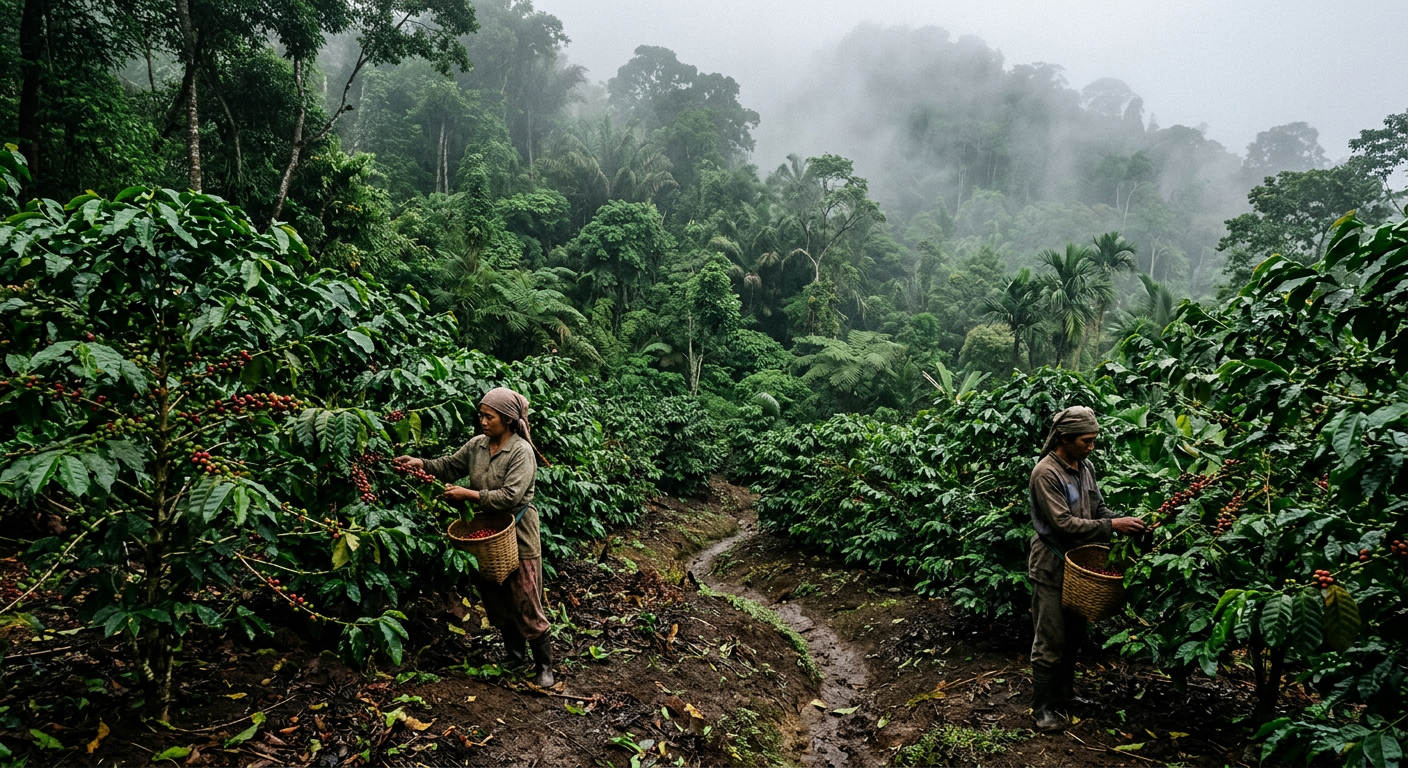
Deep in North Sumatra's Mandheling highlands, Jamie traces a coffee through its most unusual processing method — wet-hulled, fog-dried — and learns why this origin demands you abandon your usual tasting frameworks.
You can't understand Sumatran coffee without understanding Sumatran weather.
The Mandheling highlands in North Sumatra sit just north of the equator at between 1,000 and 1,500 meters. At this latitude, the sun is overhead — not at an angle — which means that even at altitude, drying coffee is complicated. Humidity is high. Rain is constant and unpredictable. The afternoons often vanish into cloud before you've noticed the morning was clear.
Indonesian farmers solved this problem by inventing a processing method that exists nowhere else in the specialty coffee world: wet-hulling, locally called Giling Basah.
What Wet-Hulling Does
Standard coffee processing — whether washed or natural — involves drying the bean to a final moisture content of around 11-12% before milling off the outer parchment layer. Wet-hulling reverses this sequence: the parchment is milled off when the bean is still at 30-40% moisture content, then the naked, still-wet green beans are spread on tarps in the sun to finish drying.
The result is a bean that looks different from any other origin: swollen, irregular, often with a characteristic blueish-green hue. It also tastes different: earthy, full-bodied, low in acidity, with flavors that range from dark chocolate and cedar to tobacco and forest floor and something that specialty coffee professionals describe, with a slight awkwardness, as "musty" — though in the right hands it is better described as complex and ancient-tasting.
Sumatran coffee tastes like nothing else because nothing else is made like this.
The Village
The farmers I work with are organized in a small cooperative in a village outside Dolok Sanggul in North Tapanuli district. Most farms here are under two hectares — steep hillsides where machinery can't reach and every operation is done by hand. Varieties are mostly Typica and a regional selection called Ateng, a compact plant that tolerates the shade and the humidity better than Bourbon or Catuai.
The cooperative's agronomist, a young man named Renaldy who studied agriculture in Medan and returned to his home village, is trying to introduce more consistent picking standards — only red, fully ripe cherries. "The old way was to shake the branch. Everything falls. Ripe, unripe, doesn't matter." He explains this without blame; it was practical. Labor is expensive. Time matters. But in specialty coffee, selective picking changes everything about the cup.
The Processing
I watch the wet-hulling process on a small mechanical huller in a farmer's yard. The cherries have been pulped and fermented for 24 hours, then rinsed. What comes out is parchment coffee still dense with moisture. It goes through the huller and emerges as green coffee — irregular, swollen, blueish-green — which is then spread on tarps in the morning sun.
By afternoon, the clouds roll in. The drying stops. Tomorrow, if the weather cooperates, it continues.
This is why Sumatran coffee is the way it is. Every step is a negotiation with the climate, and the climate wins.
The Cup
Dark roasted Sumatran coffee has been a specialty staple for decades — and I understand why. The earthiness and low acidity make it highly accessible; the body is substantial and satisfying. But I've come to prefer our Mandheling roasted medium-dark, not dark. At medium-dark, the cedar and chocolate notes are present, the body is still full, but something that reads as liveliness or freshness begins to appear underneath — a reminder that even this ancient-tasting coffee was, not long ago, a cherry on a plant in a fog-wrapped highland.
That reminder matters to me.
Our Sumatra Mandheling is roasted to a medium-dark profile that preserves both the characteristic earthiness of the origin and the clarity that careful selective picking makes possible. If you've always found Sumatran coffee too heavy or too murky, this is the one to try. If you've always loved it, this is the one to keep buying.
From this origin
Try this coffee →
This bean is in our current rotation, roasted to order and shipped within 48 hours.
More Origin Stories
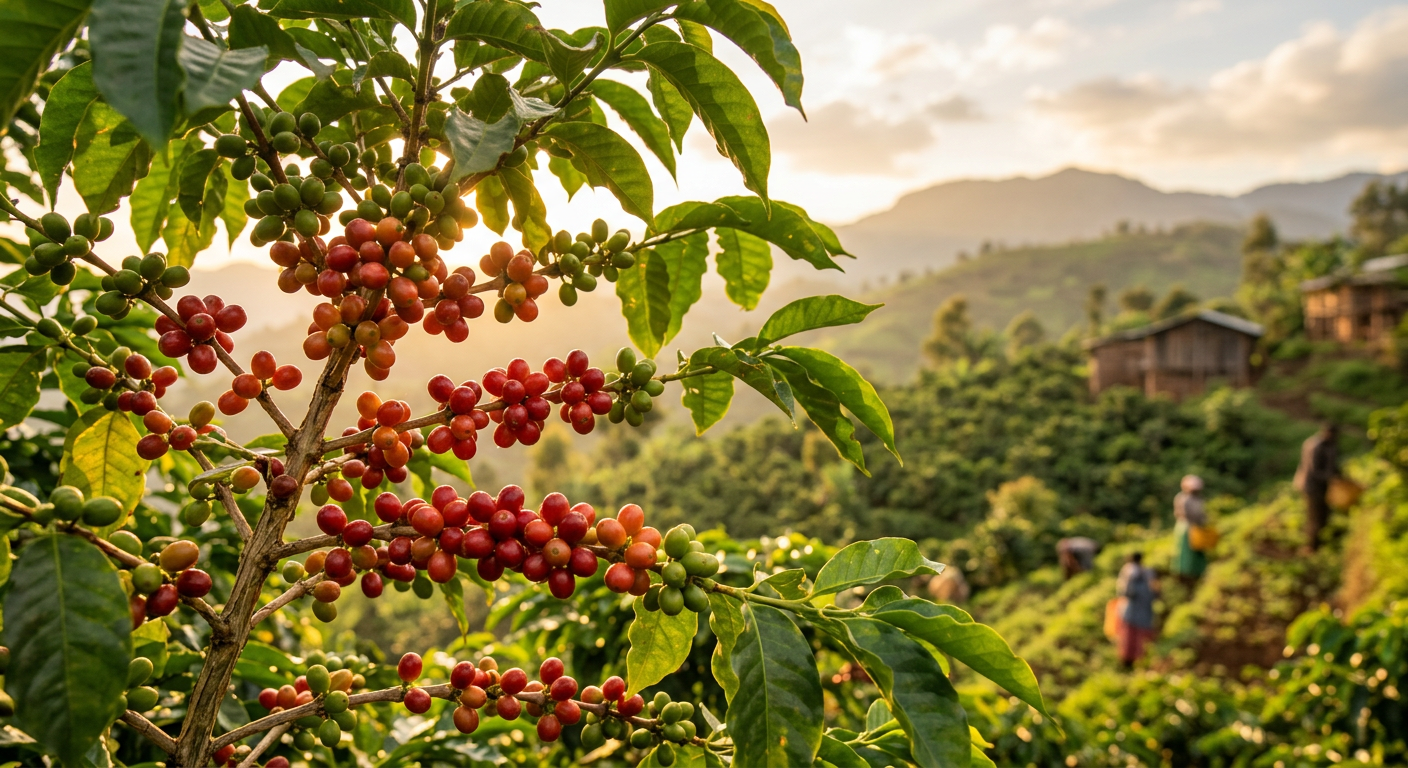
Finding the Yirgacheffe
Jamie travels to the birthplace of coffee — the misty highlands of Ethiopia's Gedeo Zone — and discovers why one small co-op's natural-process cherries taste like blueberry jam and jasmine.
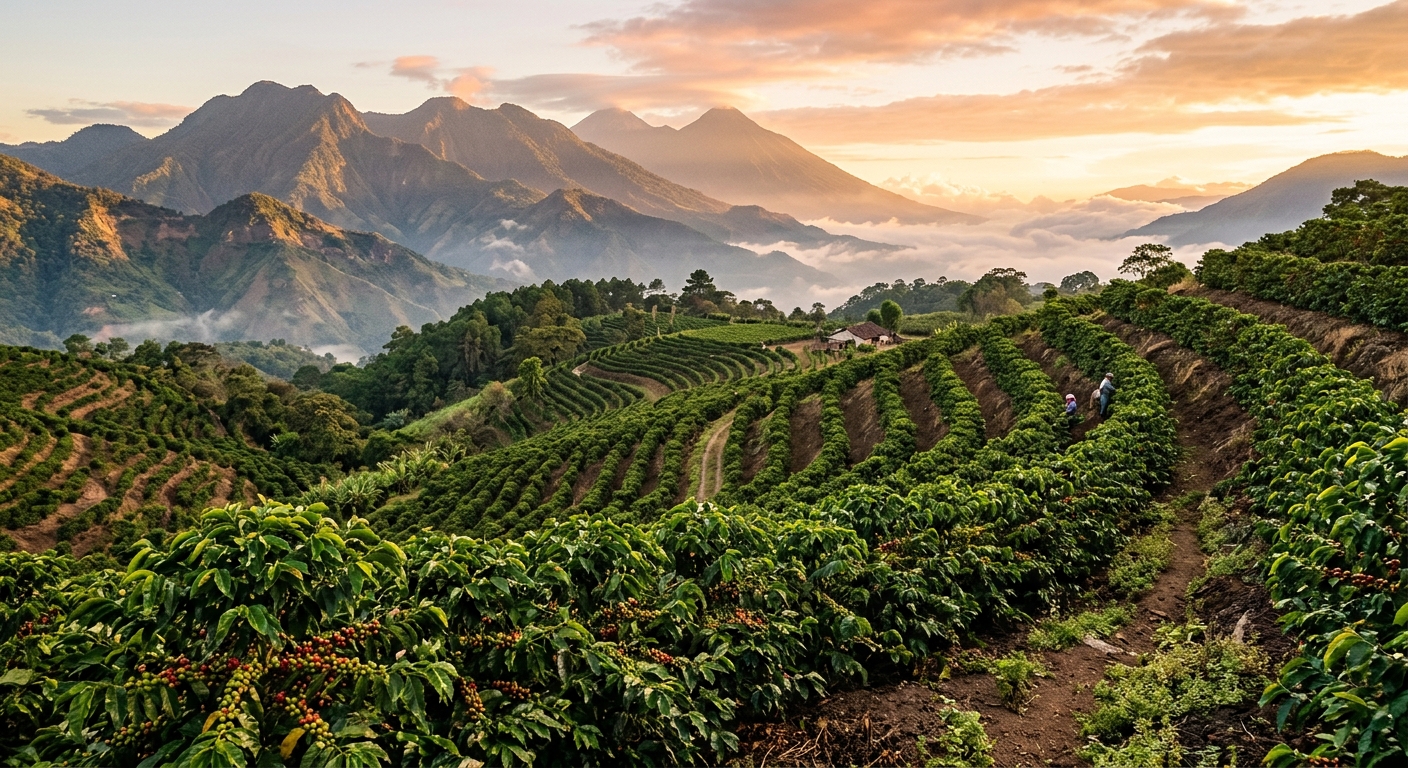
Antigua at 5,000 Feetsss
In a valley ringed by three volcanoes, Jamie cups through a dozen washed lots and learns why altitude, shade, and volcanic soil conspire to make Guatemalan Antigua one of the most consistent origins on earth.